Lost your password? Please enter your email address. You will receive a link and will create a new password via email.
Join Microbiologist.in to unlock a world of microbial discovery! Sign up now and dive into engaging discussions, ask burning questions, and connect with like-minded enthusiasts. Let's explore the fascinating realm of microbiology together!
Welcome back to Microbiologist.in! Log in now to continue your journey through the world of microbiology & Life sciences. Access your account, engage in discussions, and stay connected with our community of microbial enthusiasts. Let's pick up where we left off and explore the wonders of microbiology & Life sciences together!

Lost your password? Please enter your email address. You will receive a link and will create a new password via email.
Please briefly explain why you feel this question should be reported.
Please briefly explain why you feel this answer should be reported.
Please briefly explain why you feel this user should be reported.
Microbiologist.in facilitates the sharing of expertise, connecting learners with knowledgeable individuals. Join our community to enhance your understanding of microbiology and life sciences."
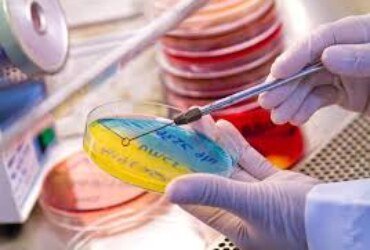
Introduction: Medical microbiology serves as the cornerstone of modern healthcare, providing invaluable insights into the microbial world and its implications for human health. This specialized field of microbiology focuses on the diagnosis, treatment, and prevention of infectious diseases caused by ...

Introduction: Food microbiology stands at the intersection of two vital aspects of our lives: food and microbes. This branch of microbiology explores the diverse array of microorganisms that interact with food, shaping its safety, quality, and shelf life. Join us ...

In the intricate web of life on Earth, microorganisms play a fundamental role as unseen architects of ecosystems. Microbial ecology, a fascinating branch of science, delves into the interactions between microorganisms and their environments, unraveling the mysteries of microbial communities ...

What is antibiotic resistance?
Antibiotic resistance occurs when bacteria develop mechanisms to withstand the effects of antibiotics, rendering them ineffective. This phenomenon arises due to genetic mutations, horizontal gene transfer, and overuse/misuse of antibiotics, leading to the emergence of multidrug-resistant strains thaRead more
Antibiotic resistance occurs when bacteria develop mechanisms to withstand the effects of antibiotics, rendering them ineffective. This phenomenon arises due to genetic mutations, horizontal gene transfer, and overuse/misuse of antibiotics, leading to the emergence of multidrug-resistant strains that are difficult to treat.
See lessHow Do Antibiotics Work?
Antibiotics work by targeting specific components or processes essential for bacterial growth and survival. They may interfere with cell wall synthesis, protein synthesis, nucleic acid synthesis, or metabolic pathways within bacteria, ultimately leading to cell death or growth inhibition.
Antibiotics work by targeting specific components or processes essential for bacterial growth and survival. They may interfere with cell wall synthesis, protein synthesis, nucleic acid synthesis, or metabolic pathways within bacteria, ultimately leading to cell death or growth inhibition.
See lessWhat is Microbial Ecology?
Microbial ecology is the study of microorganisms in their natural environments and their interactions with each other and their surroundings. It encompasses the investigation of microbial communities, their diversity, distribution, and the roles they play in biogeochemical cycling, nutrient dynamicsRead more
Microbial ecology is the study of microorganisms in their natural environments and their interactions with each other and their surroundings. It encompasses the investigation of microbial communities, their diversity, distribution, and the roles they play in biogeochemical cycling, nutrient dynamics, and ecosystem functioning.
See lessHow does horizontal gene transfer contribute to microbial evolution?
Horizontal gene transfer facilitates the exchange of genetic material between microorganisms, promoting genetic diversity, adaptation to new environments, and the spread of advantageous traits.
Horizontal gene transfer facilitates the exchange of genetic material between microorganisms, promoting genetic diversity, adaptation to new environments, and the spread of advantageous traits.
See lessHow do microorganisms contribute to food fermentation?
Microorganisms such as bacteria, yeasts, and molds ferment food ingredients, producing flavorful and nutritious products through processes like lactic acid fermentation, alcoholic fermentation, and mold fermentation.
Microorganisms such as bacteria, yeasts, and molds ferment food ingredients, producing flavorful and nutritious products through processes like lactic acid fermentation, alcoholic fermentation, and mold fermentation.
See lessWhat are the major groups of microorganisms?
Major groups of microorganisms encompass bacteria, viruses, fungi, archaea, and protists.
Major groups of microorganisms encompass bacteria, viruses, fungi, archaea, and protists.
See less